 Pricing
How Much Does Pest Control Cost in Australia? Upfront Pricing Explained
When people look up what pest control costs in Australia, they are usually trying to understand what work is needed before booking—not merely comparing headline offers. The answer depends on the situation at the property, the type of problem and what a technician can safely access. A useful quote should describe the actual scope of work rather than promise an outcome before inspection.
General pest treatments vary by pest type, infestation, property access and risk. A routine prevention appointment differs from targeted cockroach or rodent management.
For service information, see general pest control services. Describe the issue and ask what the inspection or treatment includes before committing to a booking.
Why does general pest control cost vary in Australia?
No two properties are exactly alike. Condition, access, the work needed and any follow-up requirements can change the service scope. Rather than relying on a generic figure, request a quote based on clear details and, where necessary, an on-site inspection.
What affects the scope of work?
- Location and access: A safely accessible ground-level space is different from a cramped cavity, high ceiling, obstructed room or site with restricted access.
- Condition and complexity: How widespread the activity is, which pests are involved and whether they are nesting inside wall or roof voids change the treatment and any follow-up.
- Assessment and preparation: Whether an on-site assessment is needed before the work is quoted, and what you are expected to prepare before the technician arrives.
- Additional work: Clarify whether separate cleaning, repairs, exclusions, follow-up inspections or return visits are part of the quoted scope.
- Property-specific requirements: Properties in Australia may have different layouts, material conditions, occupant needs and relevant local rules.
What does a professional general pest control appointment involve?
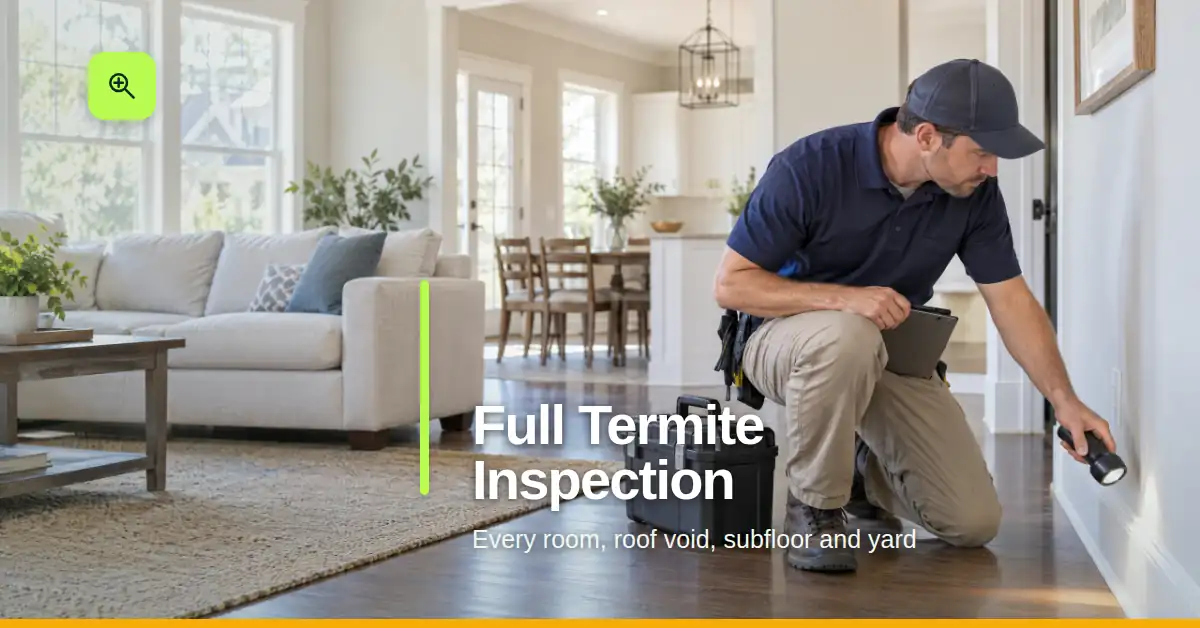
Initial assessment
A competent provider first asks where the issue is occurring, how long it has been present and whether anything has already been attempted. A provider identifies the pest and contributing conditions, selects appropriate control measures and explains preparation, safety and return-visit needs.
Selecting an appropriate approach
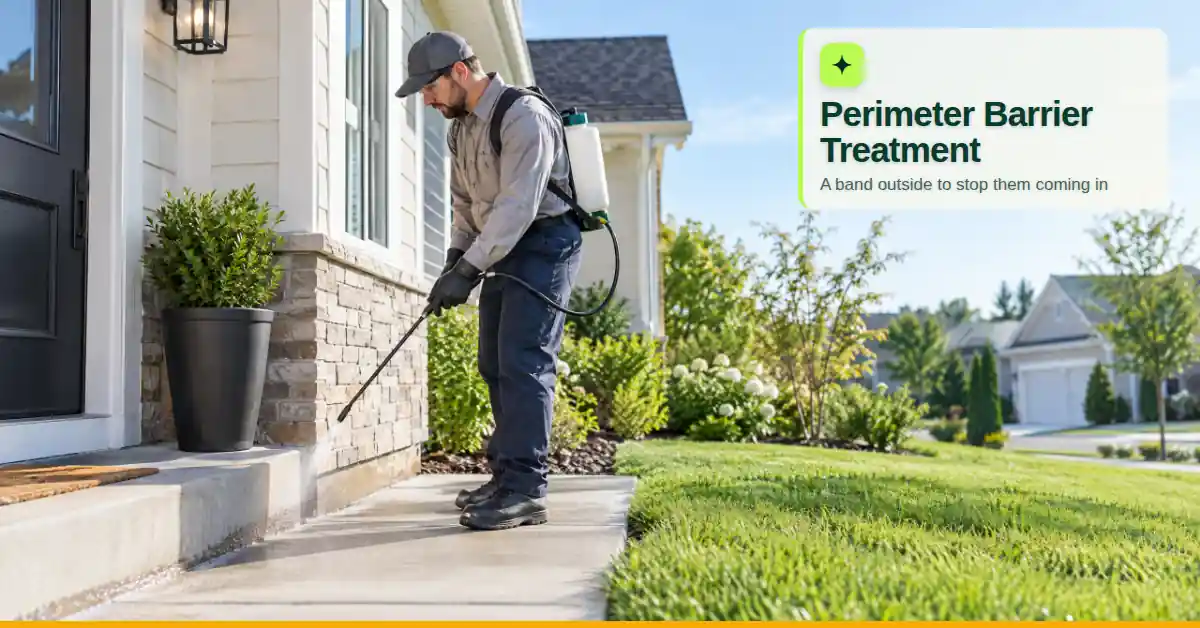
The method should suit the actual condition rather than a generic promise. Confirm how access, sensitive surfaces, occupants, pets and safety limitations will be handled. An inspection may reveal that a different service is more suitable.
Completion and next steps
Ask what was treated or inspected, what could not be accessed and whether follow-up action is recommended. Keep the service record, particularly where a landlord, building manager or future contractor may need to understand what was done.
Why can similar-looking jobs require different work?
Consider two Australia properties requesting general pest control. One enquiry has a clearly identified problem and easy access. At the other property, the location is uncertain, previous attempted remedies have changed the conditions or additional work is needed before the main service can begin. The same service label does not make the work identical.
This is why photographs and a detailed description help but may not replace a professional assessment. A quote should explain inclusions, exclusions and any conditions that could change the planned work.
What can you do before booking?
List where pests were seen, secure food, identify pets and ask which areas and pests the quoted scope covers.
Make a short record of the problem, including location, when it started and anything already attempted. If the property has fragile materials, restricted entry, children, animals or relevant safety concerns, tell the provider before they arrive.
What should you ask when requesting a quote?
- What exactly is included in the quoted scope?
- Is an initial inspection or assessment required?
- Are there areas that cannot safely be accessed?
- What preparation is expected from the occupant?
- Does the service include cleaning, disposal, repairs or follow-up where relevant?
- What outcomes are realistic, and what limitations should I know about?
- Will I receive written findings, aftercare advice or a service record?
How do you avoid unnecessary work?
Choose the right service for the actual issue. A narrower targeted appointment may be sufficient for an isolated problem; widespread or recurring problems may call for a broader plan. Do not assume that repeating the same treatment will solve the underlying cause.
Ask the provider to separate essential work from optional extras and explain any unresolved risk. This makes comparisons clearer without relying on advertised starting figures.
Frequently asked questions
Does one treatment permanently prevent pests?
No. Ongoing proofing, hygiene and monitoring may be needed; outcomes depend on species and property conditions.
Can I get an exact general pest control quote without an inspection?
Sometimes a provider can outline the likely scope from accurate details and photographs, but hidden conditions or access restrictions may only become clear during an assessment. Confirm whether the quote is conditional.
What information should I send with my enquiry?
Include your suburb, property type, location of the issue, relevant photographs, access limitations and any previous work. Only share images that are safe to obtain; do not enter hazardous areas to take them.
Does the service include follow-up?
Not automatically. Ask whether a return visit, report, aftercare or preventative work is included or arranged separately.
How should I compare two quotes?
Compare the specific tasks, inspection assumptions, access requirements, exclusions, safety approach and aftercare. The lowest headline offer may not describe equivalent work.
Final thoughts
Understanding what pest control costs in Australia starts with understanding the work. An informed assessment, clear scope and realistic expectations help you choose an appropriate service for your Australia property without guessing what is included.
Sources and further reading
This article offers general guidance. Public information and service requirements can change; consult original sources and obtain site-specific professional advice where appropriate.
- APVMA: Understanding pesticide labels — safe and approved use of pest-control products.
- APVMA: Using chemicals correctly — precautions and directions for registered products.