
"Mud tubes on the stumps or brickwork"
Subterranean termites build pencil-thick mud leads to travel between the soil and the timber in your house. They are the clearest sign of activity.
Queenslander on stumps in Morningside? Termite checks today
Timber stumps, floors and verandahs in a humid bayside climate, mud leads on a stump, a soft verandah board. A local inspector can be in Morningside in 60 minutes* to inspect and give you a written report.
Humid bayside timber homes inspected with thermal imaging and moisture meters.
Get a Termite Inspection Quote
Tell us about the property and anything you have noticed.
60 min*
onsite for live termite finds
12 months
the longest a home should go between inspections
277
Brisbane suburbs covered
24/7
phones answered
Termite pressure in Brisbane Bayside is high, with humid weather and many timber Queenslanders on stumps. In Morningside, most owners first notice termites in a verandah board or a door frame. Here is what to do next.
Do not spray them or pull the timber apart
Fly spray and disturbance kill a few hundred termites and warn the rest. The colony seals off the area and keeps feeding somewhere you cannot see, which makes it harder and more expensive to eliminate.
Leave them exactly as they are
Do not break open mud tubes, lift more boards or dig around the area.
Cover any opening you made
Tape a piece of cardboard or plastic over the hole so the termites stay calm and keep working.
Do not use spray, dust or bleach
Household products cannot reach the nest, which may be metres away underground or in a tree.
Take a photo and note where
Which room, which wall, and what the damage looks like. It helps the technician plan the inspection.
Call us on 07 3544 9883
Live termites are treated as urgent. An inspection maps how far they have spread before any treatment is chosen.
From a routine annual check to a live termite find, our technicians specialise in inspecting Brisbane homes thoroughly and explaining the results clearly, with an upfront price before work starts.
 Full Termite InspectionSubfloor, roof void, interior, fences and garden
 Pre-Purchase Pest InspectionKnow what you are buying before you sign
 Annual Termite InspectionThe yearly check we recommend for every home
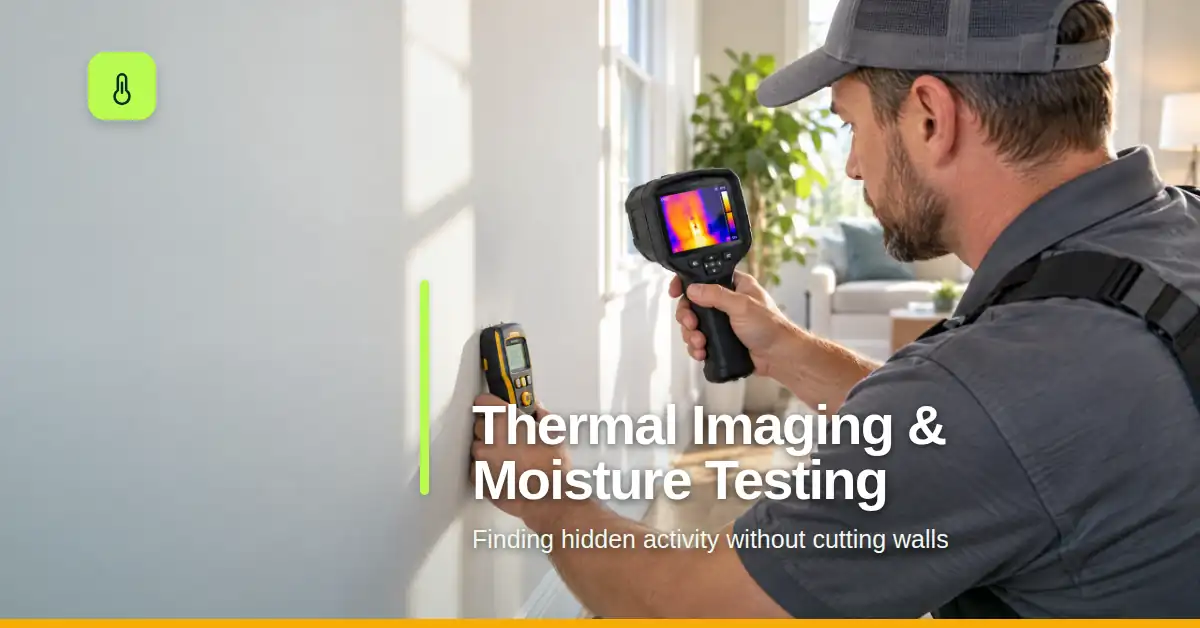 Thermal Imaging & Moisture TestingActivity found behind walls without cutting holes
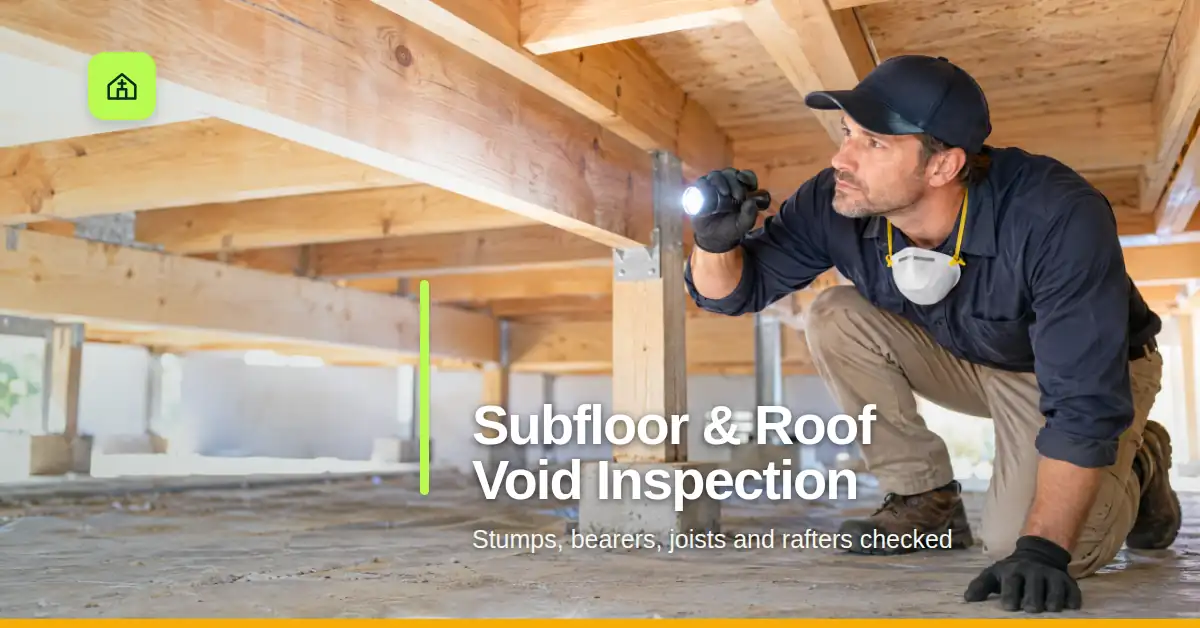 Subfloor & Roof Void InspectionStumps, bearers, joists and roof timbers checked
 Written Termite ReportFindings, photos, risk areas and next steps
 Termite Treatment PlansDusting, foaming and baiting of live activity
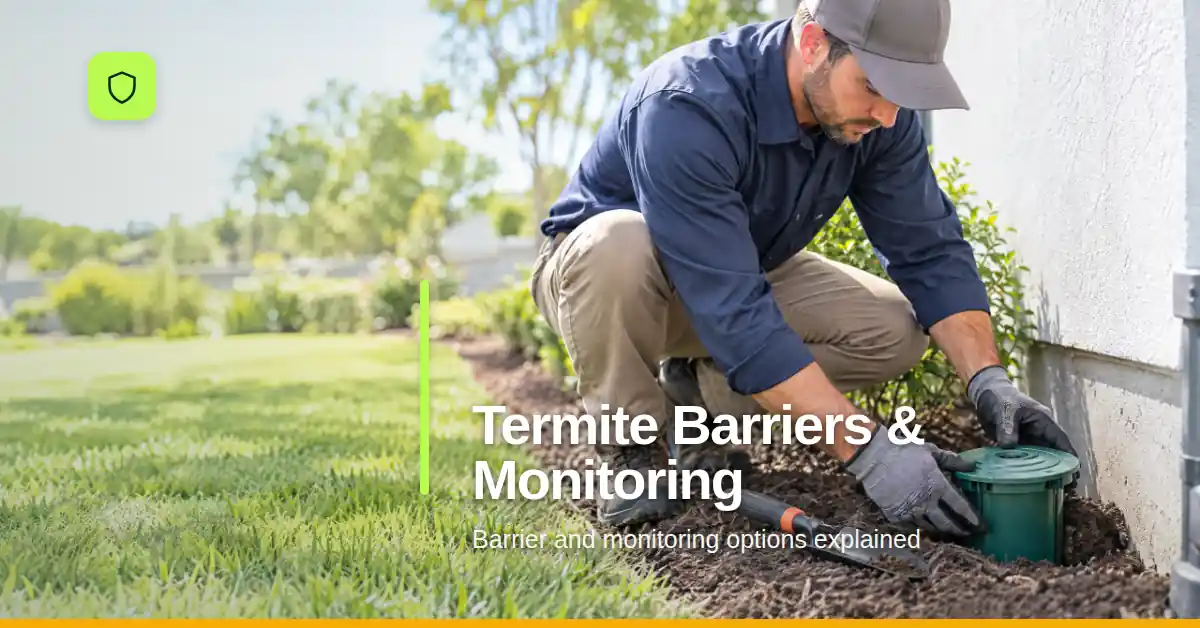 Termite Barriers & MonitoringSoil treatments and bait stations around the home
 Commercial & Strata InspectionsShops, offices, schools and unit blocks
Some of these are termites and some are not. An inspection is how you find out for certain.
Subterranean termites build pencil-thick mud leads to travel between the soil and the timber in your house. They are the clearest sign of activity.
Termites eat timber from the inside and leave a paper-thin skin of paint. Tapping along skirtings, architraves and window frames reveals it.
On warm, humid evenings in spring and summer, winged termites leave the nest to start new colonies. A swarm indoors means a nest is close.
A pre-purchase pest inspection before you sign shows any termite activity, old damage and conditions that put the house at risk.
A single colony can forage 50 metres or more from its nest, across several properties. If next door has them, your house is within reach.
We recommend an inspection at least every 12 months. Most serious damage is found in homes that skipped a few years.
Flying ants and flying termites turn up in the same weather and look alike at a glance. Here is how to tell them apart before you worry.
| Termite | Ant | |
|---|---|---|
| Waist | Thick, straight body with no waist | Narrow, pinched waist |
| Antennae | Straight, like a string of beads | Bent, with an elbow |
| Wings | Four wings of equal length, shed easily | Front wings longer than the back wings |
| Colour | Workers are pale cream and soft | Brown, black or red and hard-bodied |
| Seen in the open | Rarely. They stay inside timber and mud tubes | Often, trailing across paths, benches and walls |
| Damage | Timber eaten from the inside along the grain | No timber eaten, though some nest in wood that is already damp |
Think it is ants? See our ant control service in Brisbane. Not sure? Keep a few in a jar or send us a clear photo and we will tell you.
Termite pressure in Brisbane Bayside is high, with humid weather and many timber Queenslanders on stumps. Yearly inspections are strongly recommended.
Termite colonies in Brisbane never shut down for winter. Warm, humid weather keeps them feeding and growing all year, and summer storms keep the soil moist right up against the house.
The timber stumps, hardwood frames and timber walls of older Queenslanders give termites plenty to feed on. Subfloors on sloping blocks, built-in areas under raised homes and steps or battens touching the ground are common entry points.
Garden beds and mulch built up against weatherboards, timber stored under the house, and extensions or slabs added later can all bridge the termite protection. Leaking taps and air conditioner drips add the moisture termites look for.
Termites are active all year in Brisbane and peak through the hot, wet months. In high-risk homes an inspection every six months is worth considering.
Termites work out of sight, and by the time damage is obvious it is usually well advanced. Here is what is at stake.
Termites hollow out bearers, joists, wall studs and roof timbers. Floors sag, doors jam and, in the worst cases, parts of the house need rebuilding.
Most home policies in Australia exclude termite damage. The repair bill is yours, which is why a yearly inspection is cheap by comparison.
Because termites eat from the inside, timber can look sound and be hollow. Without a moisture meter and a sounding tool, activity is easy to miss.
Spraying or ripping out infested timber scatters the colony. They abandon that spot and attack somewhere else in the house.
The goal is simple: find any activity, find what is attracting it, and tell you plainly what to do. Our technicians explain each step and the price before they start.
What a termite inspection covers
Every accessible part of the property is checked: interior rooms, roof void, subfloor, outbuildings, fences, trees and garden beds. We recommend having this done at least once every 12 months, and more often in high-risk areas.
Call and tell us about the property
Age, construction, any signs you have noticed and when it was last inspected.
Same day inspection
A technician checks inside, the roof void, the subfloor and the yard with a moisture meter, sounding tool and thermal camera.
Findings explained on site
You are shown any activity, damage and risk areas before the technician leaves.
Written report
A report with photos, the areas inspected, what was found and what we recommend.
Upfront treatment quote
If termites are found, you get a clear price for treatment and protection before any work starts. No hidden charges.
The price depends on the size of the home and how much of it can be accessed. A single-storey unit on a slab is the quickest inspection. A large Queenslander on stumps with a built-in subfloor, outbuildings and a big garden takes the most time. These are the things that set the price:
Size of the property. Number of rooms, storeys and outbuildings.
Construction type. Slab, stumps, brick veneer or weatherboard.
Access. Subfloor clearance and roof void entry.
Type of report. A routine inspection, or a pre-purchase report.
You get an upfront price with no hidden charges after the technician has seen the job. Call 07 3544 9883 or tell us about the property online for a faster estimate.
A termite inspection is only as good as the time spent in the subfloor and roof. We look where termites actually live, and we explain what we find in plain English.
Technicians spread across Brisbane, so live termites are looked at today, before they move.
Our technicians bring years of experience with Brisbane's subterranean termites and the homes they attack.
Moisture meters, sounding tools and thermal imaging to find activity behind walls without cutting holes.
The inspection price is agreed before we start, and any treatment is quoted separately. No hidden costs.
Photos, plain language and a clear list of what to do next.
Found live termites on a Sunday night? Our phones are answered day and night, with same-day booking availability.
*Onsite in 60 minutes applies to urgent jobs and depends on technician availability and location.
You are relying on someone to crawl where you cannot see. Here is what you can count on from the moment you call.
You know who is coming. The technician's name and arrival window are sent to you before they leave.
You see what we see. Photos of any activity, damage and risk areas, shown to you on the day.
You get it in writing. A report covering what was inspected, what was found and what we recommend.
You can call us back. Questions about the report, or new signs of activity? Call the same number.
Our technicians cover Morningside 4170 and the rest of Brisbane Bayside, including Balmoral, Belmont, Bulimba and Burbank, with same day service and upfront pricing.
At least once every 12 months. Homes in high-risk areas, with a history of termites, or with conditions such as a damp subfloor may need one every six months.
It depends on the size of the home, how it is built, how easy the subfloor and roof void are to access, and whether you need a routine or pre-purchase report. You get an upfront price before the inspection, with no hidden costs.
Yes, and plenty of them. Brisbane has some of the highest termite pressure of any Australian capital, because warm, humid weather keeps colonies active all year. Older Queenslanders on timber stumps and homes with garden beds against the walls are most exposed. Inspect at least once a year.
Mud tubes on stumps, walls or foundations; skirting boards, door frames or floorboards that sound hollow or feel soft; paint that bubbles or ripples; doors and windows that start to stick; and winged insects or discarded wings near lights on a warm evening.
Leave them alone. Do not spray them, break the mud tubes or remove the timber. Cover any hole you made and book an inspection. Disturbed termites retreat and attack elsewhere, which makes the colony harder to eliminate.
Usually one to two hours for an average house, and longer for large homes or properties with outbuildings and big gardens. The technician needs access to the roof void and the subfloor.
Generally not. Most Australian home policies exclude damage caused by termites and other insects. Check your own policy, but regular inspections are the main protection.
No home is termite-proof. New homes are built with a termite management system, but it can be bridged by garden beds, paving, decks and extensions, and it still needs regular inspections to keep doing its job.
The technician shows you the activity and explains the options, such as dusting or foaming the live termites, baiting the colony and installing a barrier or monitoring system. You get an upfront price before any work starts.
Yes. We inspect the house, subfloor, roof void and grounds for termite activity, past damage and risk conditions, and provide a written report before you commit to the purchase.
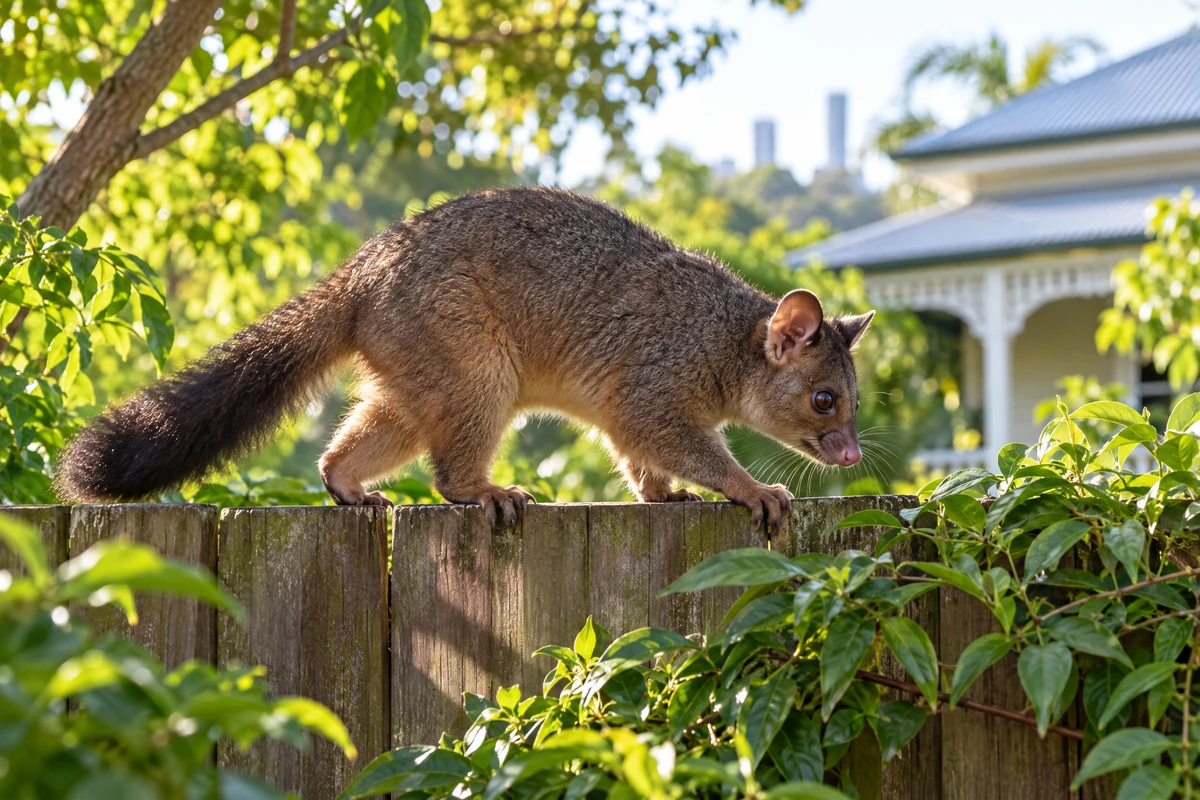 Possum Removal Morningside
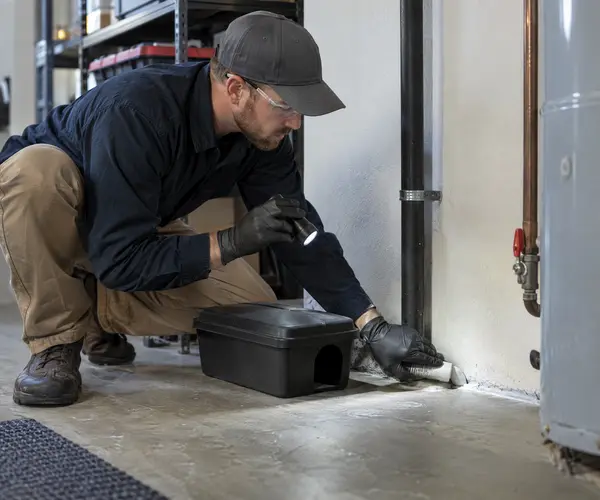 Rat & Mouse Control Morningside
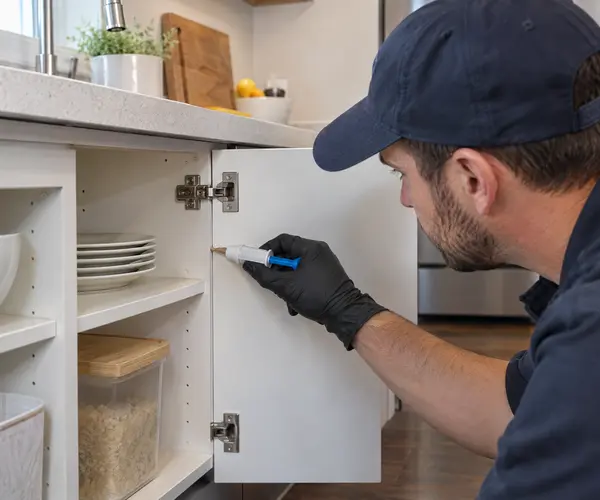 Cockroach Control Morningside
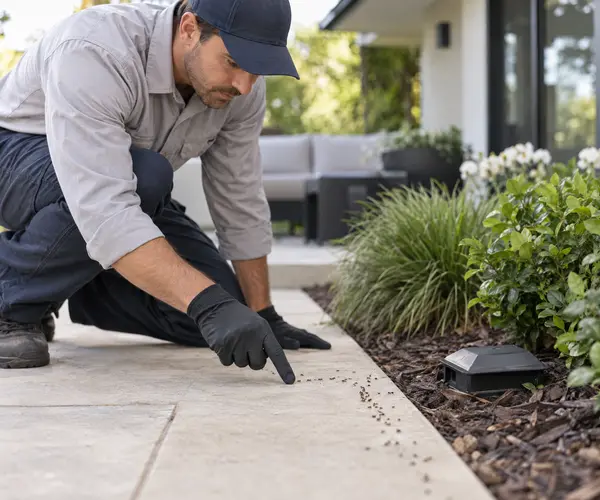 Ant Control Morningside
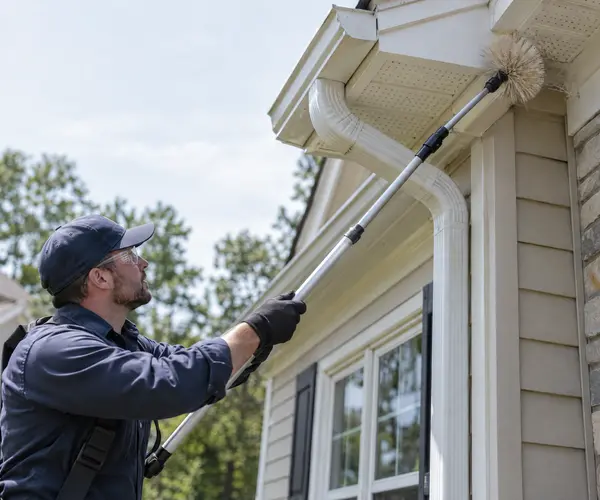 Spider Control Morningside
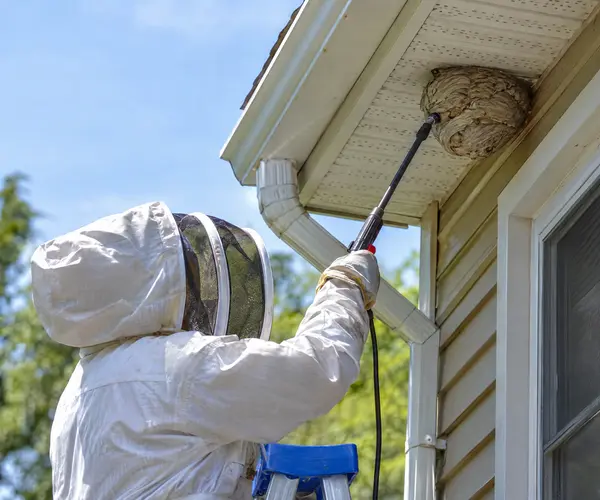 Wasp Removal Morningside
 Bee Removal Morningside
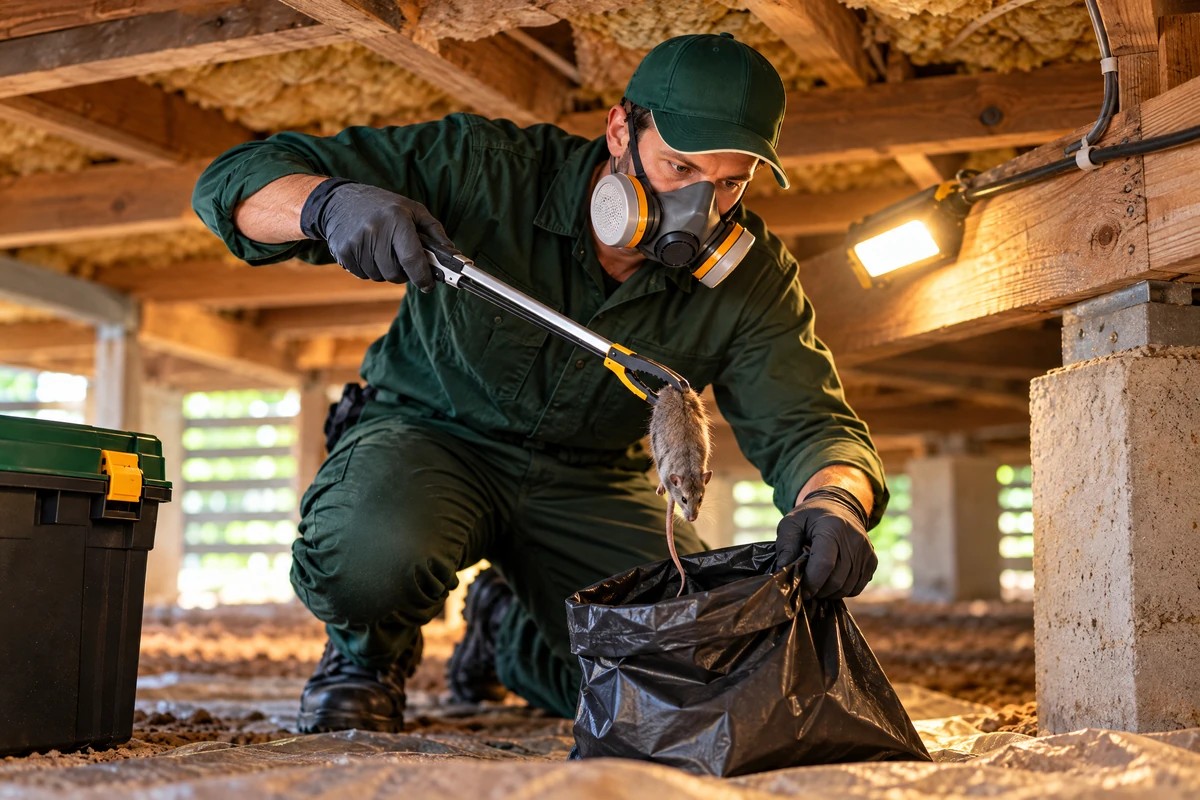 Dead Animal Removal Morningside
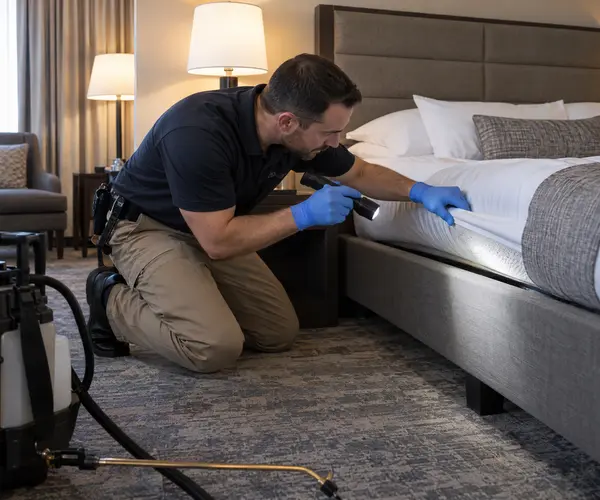 Bed Bug Treatment Brisbane
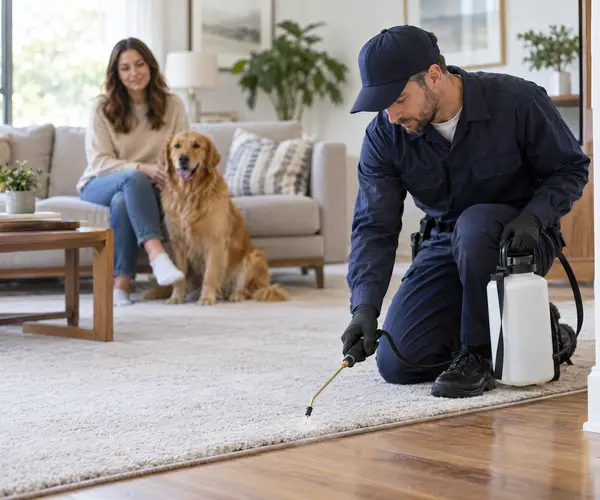 Flea Treatment Brisbane
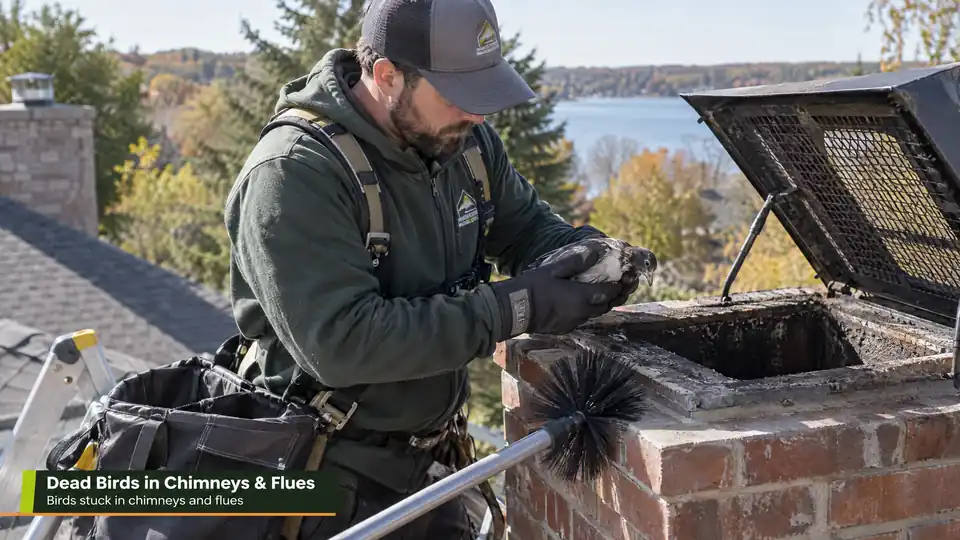 Bird Control Brisbane
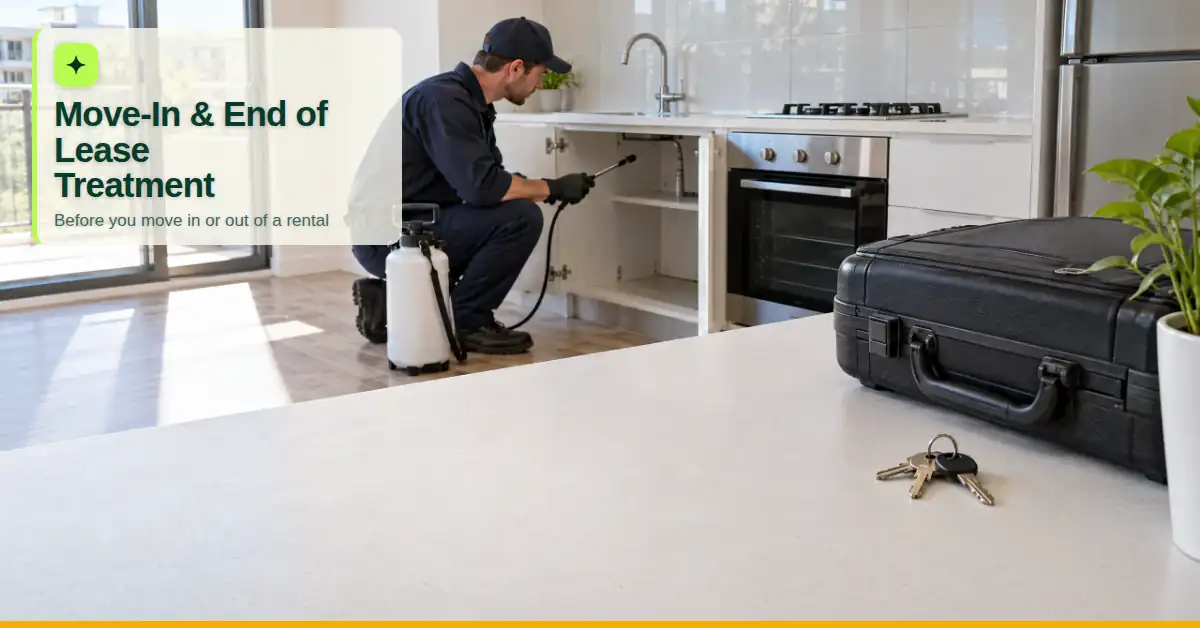 End of Lease Pest Control Brisbane
A colony feeds around the clock, out of sight. An inspection today costs far less than the timber they will eat by the time the damage shows.
Proven results, upfront pricing and a dedicated professional at your door, often the same day.
Other services
Choose a service to see how it works and what affects the price.
Possum RemovalHumane removal of possums from roofs and wall cavities, followed by proofing so they cannot move back in.
Rat & Mouse ControlBaiting, trapping and entry-point sealing to clear rats and mice from roofs, walls, kitchens and sheds.
Cockroach ControlGel baiting and targeted spraying for German and large cockroaches in kitchens, bathrooms, roof voids and drains.
Ant ControlBaiting and barrier treatments that reach the nest, for ants in kitchens, wall cavities, paving and lawns.
Spider ControlTreatment of webs, eaves, fences, subfloors and garden edges to bring spider numbers down around the home.
Wasp RemovalTreatment and removal of wasp nests from eaves, wall cavities, roof voids, trees and the ground.
Bee RemovalRemoval of bee swarms and established hives from walls, roofs, chimneys, trees and compost bins.
Dead Animal RemovalLocating and removing dead rats, possums and other animals from roofs, walls and subfloors, then deodorising the area.
Bed Bug TreatmentInspection and treatment of beds, bed frames, couches and skirting boards to clear bed bugs and their eggs.
Flea TreatmentInside and outside flea treatment for carpets, pet bedding areas, yards and subfloors, with a follow-up when needed.
Bird ControlBird proofing with spikes, netting and mesh to keep pigeons, mynas and starlings off roofs, balconies, solar panels and signs.
End of Lease Pest ControlInside and outside pest and flea treatment when you move out, with a written record for your agent or landlord.