

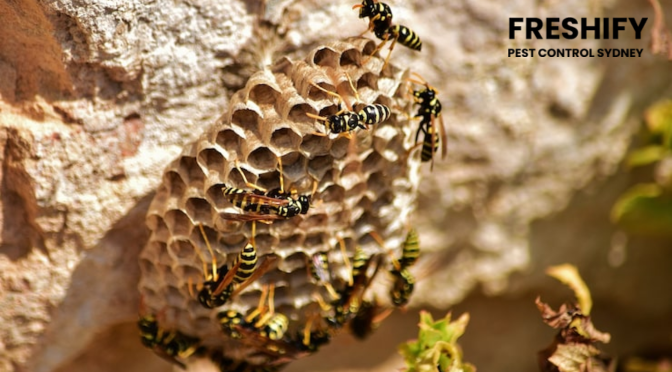
Finding a wasp nest around your home can be alarming. Wasps are highly protective of their nests and can become aggressive when disturbed. A single nest may contain dozens or even hundreds of wasps, making the situation risky for families, pets, and visitors.
Many homeowners panic and try to remove the nest themselves. Unfortunately, this leads to painful stings and dangerous swarming behaviour. Knowing how to respond safely can help you avoid injuries and prevent the infestation from becoming worse. Here is what you should do if you discover a wasp nest at home.
Stay Calm and Keep Your Distance
Your first reaction matters. Wasps can sense vibrations and sudden movements near their nest. If you discover a nest, avoid swatting at the insects or attempting to knock the nest down.
Move away slowly and keep children and pets away from the area. If the nest is close to an entry point, such as a doorway or garage, limit access until the problem is resolved. A safe distance reduces the chance of provoking the colony. Hire wasp control in Sydney and let the professionals handle the matter.
Identify Common Nest Locations
Wasps often build nests in sheltered and undisturbed areas around residential properties. Some common nesting spots include:
- Roof voids
- Wall cavities
- Garden sheds
- Trees and shrubs
- Under eaves
- Decking and patios
- Outdoor furniture
- Garages
Paper wasps and European wasps are among the most common species found around homes. Their nests can vary in shape and size depending on the species. Early detection is important because smaller nests are generally easier and safer to manage than fully developed colonies.
Avoid Removing The Nest On Your Own
Attempting to remove a wasp nest without proper equipment can be dangerous. Many OTC sprays only irritate the colony rather than eliminate it completely. Attempting to remove it on your own also increases the risk of:
- Multiple stings
- Allergic reactions
- Incomplete nest removal
- Aggressive swarming
- Damage to property
Some wasp species can sting repeatedly, making them more dangerous than bees. For people with allergies, even a single sting may require urgent medical attention.
Professional pest control in Sydney uses protective gear and targeted treatments designed to remove nests safely and effectively.
Know the Signs of an Active Wasp Nest
Sometimes the nest itself is hidden from view. In these cases, wasp activity can reveal the presence of a colony nearby.
Look for signs such as:
- Increased wasp activity around one area
- Wasps entering cracks or holes in walls
- Buzzing sounds inside ceilings or wall cavities
- Visible nest material under eaves or rooflines
- Wasps hovering near bins or outdoor eating areas
If you notice repeated activity in the same location, there is a strong chance a nest is nearby.
How Professionals Remove Wasp Nests
Professional wasp control in Sydney follows a structured process to ensure safe removal.
An exterminator will:
- Inspect the property to locate nests
- Identify the wasp species
- Assess the risk level
- Apply targeted treatment products
- Remove or neutralise the nest
- Provide prevention advice
Some nests hidden inside walls or roof cavities may require specialised treatment methods. Professionals are trained to handle aggressive colonies while minimising risks to residents. Wasp control in Sydney also helps reduce the chance of recurring infestations.
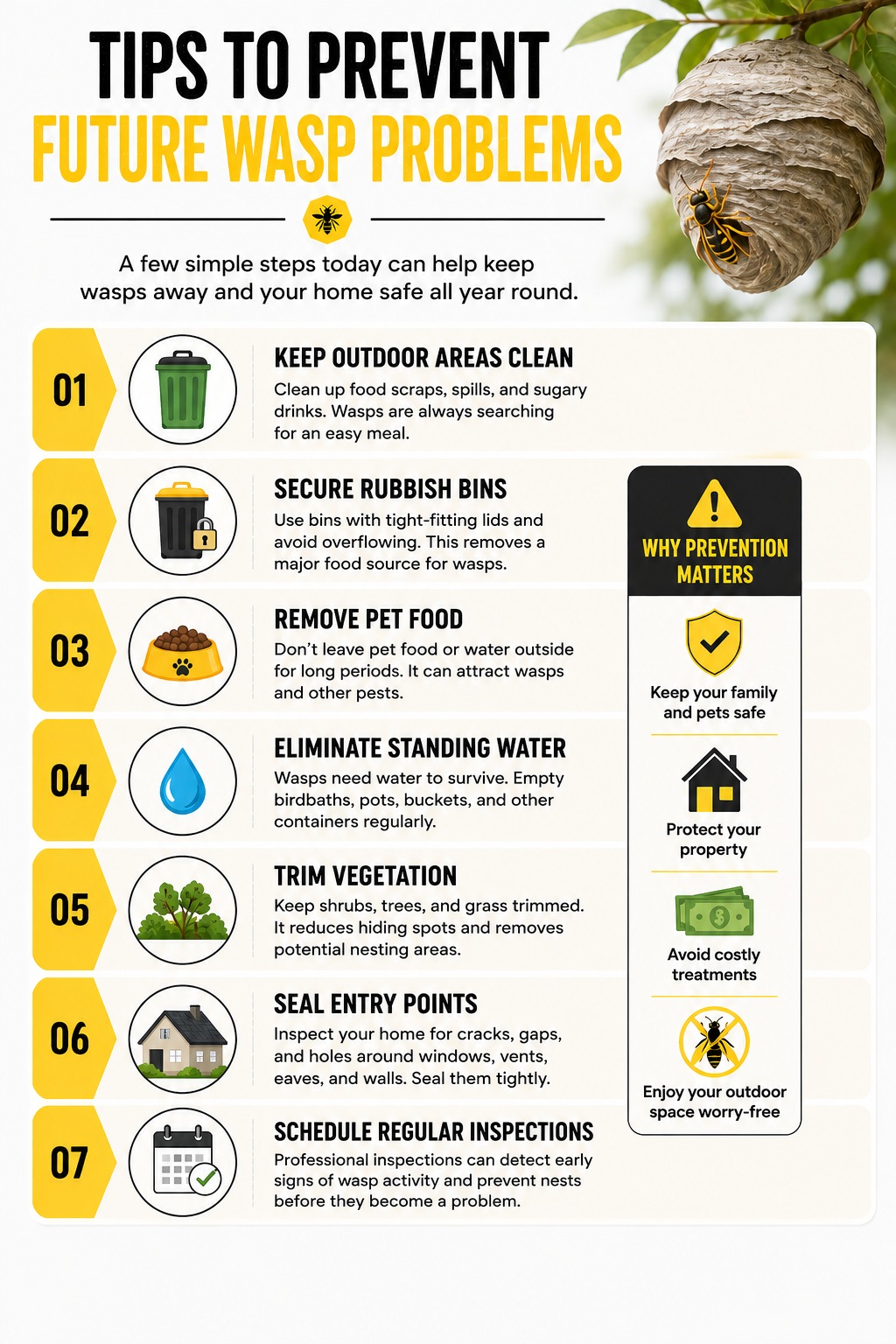
Tips to Prevent Future Wasp Problems
When to Call a Pest Control Expert
You should contact a professional immediately if:
- The nest is large
- Wasps are entering your home
- The nest is difficult to access
- Someone in the household has allergies
- You notice aggressive wasp behaviour
- Multiple nests are present
Delaying treatment can allow the colony to grow larger and more dangerous over time. Fast professional intervention helps protect your household and restore safety around your property.
Call Us Before a Small Wasp Problem Becomes a Serious Risk
Do not wait until someone gets stung or the nest grows larger. Our wasp control in Sydney can help keep your family, pets, and property safe with fast and effective treatment solutions. Contact Freshify Pest Control Sydney today to book an inspection and take the first step towards a wasp-free home.
FAQs On Wasp Control in Sydney
Q: Are wasps more aggressive at certain times of the year?
Wasps are often more aggressive during late summer and early autumn when colonies are larger and food sources become limited.
Q: Can a wasp nest damage my property?
Large nests inside walls or roof spaces may cause minor structural issues and can attract moisture or secondary pest activity.
Q: Is it safe to remove a small wasp nest at night?
Even at night, disturbing a nest can trigger defensive behaviour. Professional pest control in Sydney is always the safest option.
Q: Do wasps die after stinging?
Unlike bees, many wasp species can sting multiple times without dying, which increases the risk during nest disturbances.
